Have we accidentally changed more than just our paddocks?
Picture your ideal horse paddock. Does it have:
- Lush green grass
- A neat fence outline
- Not a single weed in sight
But is it the perfect environment for the horse that evolved over thousands of years? Every day, we do our absolute best to give our horses everything they need.
Quality hay, carefully selected hard feeds, supplements, mineral mixes, and we work hard to keep our paddocks clean and free from weeds.
We’ve never known more about horse nutrition than we do today. Yet we’re seeing more horses with metabolic issues, laminitis, allergies, gastric ulcers, obesity and other chronic health challenges than ever before.
So, it raises an interesting question…
Has the horse changed or has the environment around it?
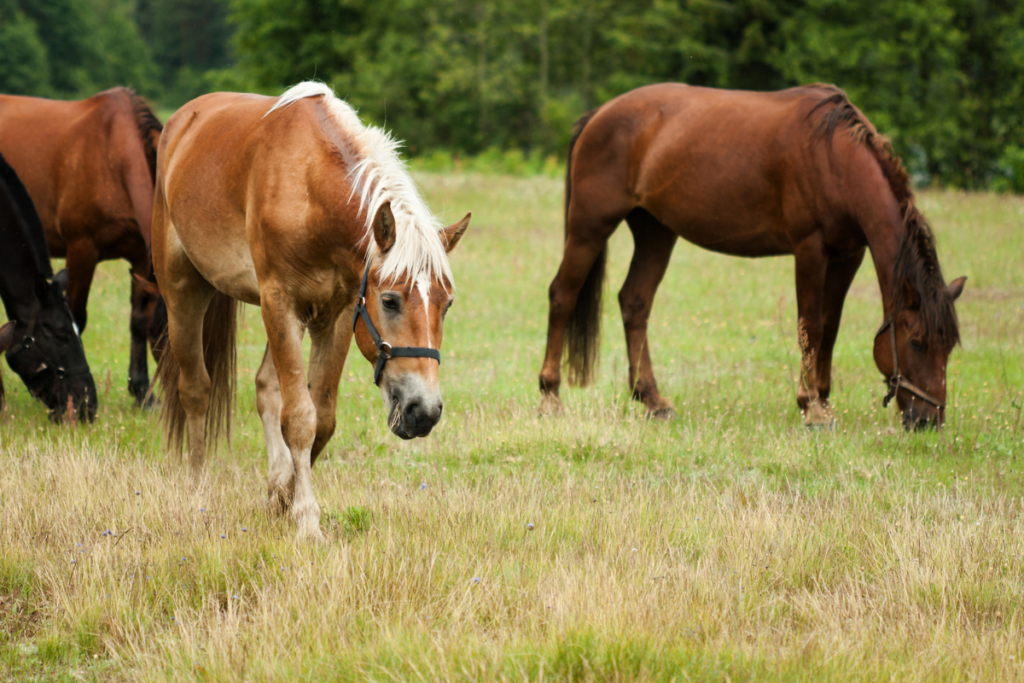
Horses don’t just eat grass. Left to their own devices, they wander, browse, nibble and investigate, taking mouthfuls of grasses, herbs, shrubs and whatever else nature provides. When given the opportunity, horses naturally graze from a variety of grasses, herbs and other plants, creating a diverse and ever-changing diet. This variety doesn’t just change the flavour of their diet, it changes the fibres, minerals and naturally occurring plant compounds they consume.
Today’s horse often enjoys an excellent diet of hay, hard feeds and carefully chosen supplements. However, much of its forage still comes from a relatively small number of pasture species.
Many paddocks have become cleaner and more uniform than ever before. Native herbs have disappeared, plant diversity has declined, broadleaf plants have been removed, and grass has become the dominant food source.
This isn’t necessarily wrong. But it does make us wonder…
What did those plants contribute?
Not all weeds are bad.
In fact, the word weed is often misunderstood. A weed is simply a plant growing where we don’t want it. Some weeds are toxic and should absolutely be managed, but many others have coexisted with grazing animals for centuries.
Perhaps the real conversation isn’t about weeds at all.
Perhaps it’s about diversity.
Nature rarely creates a pasture made up of just one or two plant species. Healthy ecosystems contain grasses, herbs, legumes and broadleaf plants, each contributing something different to the environment. Together they provide a diverse range of fibres, minerals and naturally occurring plant compounds that grazing animals have evolved alongside.
Interestingly, many of the herbs we now feed as supplements, including nettle, dandelion, marshmallow leaf, milk thistle and chamomile, have been valued for generations. As our paddocks have become cleaner and less diverse, these plants are often no longer encountered naturally, so we reintroduce them in a different way.
Perhaps that’s why herbs continue to have a place in modern equine nutrition. Not because they replace good pasture management, but because they may help restore some of the natural diversity that has gradually disappeared from the modern horse’s diet.
Not sure which herbs to choose? Our Greenpet Equine Herb Sampler lets you select a variety of herbs and supplements, making it easy to introduce natural diversity into your horse’s diet before purchasing larger bags.
This isn’t about allowing paddocks to become overrun with weeds or suggesting every horse should graze unmanaged pasture. It’s simply about looking at horse nutrition from a different perspective and asking whether, in our pursuit of the perfect paddock, we’ve unintentionally removed some of the diversity horses evolved to consume.
After all…
Maybe the question isn’t,
“What happened to the weeds?”
Maybe it’s,
“What happened to the diversity?”
We’re Here to Help
Every horse is unique. If you’d like personalised natural support, complete our Horse Health Questionnaire or email us for guidance.
P.S. Tilly & Mista’s Mini Herb Nibble Box
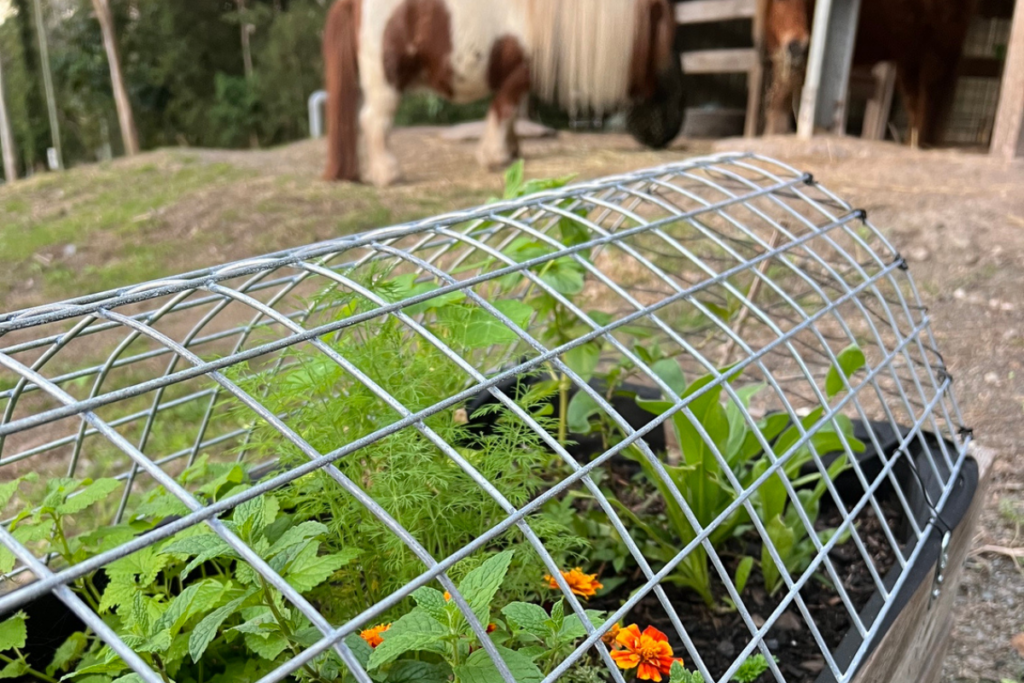
Here at Greenpet, we’ve created a mini herb nibble box for Tilly and Mista to enjoy. It’s a simple way to offer a variety of horse-friendly herbs and edible plants, adding a little extra diversity for them to explore and nibble.
Our nibble box includes: chamomile, dill, mint, parsley, oregano, basil, lemon balm, marigold, peppermint, Vietnamese mint, calendula and nasturtiums 🌿